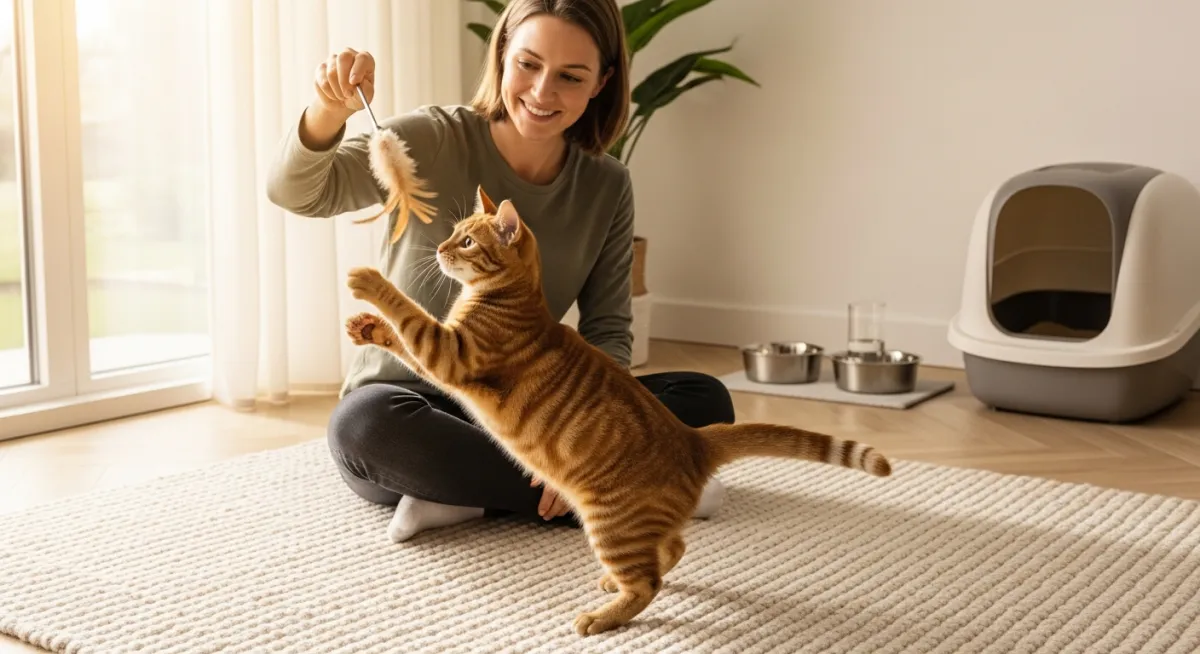
Visits should be more than food and litter scooping
Grantham Cat Visits: Beyond Food and Litter Care
For many of us here in Grantham, our cats aren't just pets; they're truly cherished members of the family. We adore their playful antics, that comforting rumble of a purr, and even those delightfully quirky personalities that make each one so unique. But when you have to be away from home, that little knot of worry about your feline friend's well-being can be all-consuming, can't it?
That's where we come in. Here at Grantham Cat Sitting, our professional cat sitters do so much more than simply dish out food and scoop fresh litter. We like to think we understand the subtle art of observing feline behaviour, ensuring your beloved companion isn't just surviving but truly thriving in your absence. After all, healthy and happy cats are often quiet cats – they're masters at hiding any discomfort, a skill honed by their wild ancestors. That quiet stoicism can be a challenge for us humans, which is why a keen eye is so important.
Understanding your cat's normal behaviour, their everyday quirks and habits, is the absolute first step in noticing when something might be a little off. Regular 'cat vists' aren't just about sticking to a routine; they're precious opportunities to connect, to observe, and to subtly assess. Even a tiny shift in their usual routine can be a significant indicator of their overall well-being. So, let's take a closer look together at some key signs you should be looking out for, signs that go far beyond the basic care checklist.

Spotting the Subtle Signs Your Cat is in Pain
Cats, bless their independent little hearts, are notoriously stoic creatures. They have this innate ability to conceal pain, a survival instinct that dates back to their wild origins. This means that if you want to spot the 'signs cat is in pain', you really need to channel your inner detective. It's rarely a dramatic limp or a loud yowl; more often than not, the signals are incredibly subtle, almost whispered.
Changes in Behaviour
Think about your cat's usual character. Are they a lap cat or a solitary explorer? Any deviation from this norm can be a clue.
Hiding More:If your usually social, outgoing cat suddenly starts spending all their time tucked away under the bed, deep in the wardrobe, or behind the sofa, it's definitely a red flag. They might be trying to find a quiet, safe space to cope with discomfort or fear. It's their way of retreating from the world when they don't feel quite right.
Lethargy or Reduced Activity:We all love a sleepy cat, don't we? But there's a difference between a lazy nap and genuine lethargy. If you notice a marked decrease in their usual playfulness – perhaps they're reluctant to jump onto their favourite perch, or they're sleeping for significantly longer periods than normal – this can strongly suggest pain or illness. They simply might not have the energy, or the movement might hurt.
Aggression or Irritability:This one can be heartbreaking. A normally friendly, affectionate cat might become withdrawn, easily irritated, or even lash out aggressively. Imagine your sweet companion suddenly becoming a 'hissing cat' when you try to stroke them near a particular spot. This isn't usually malice; it's often a desperate plea for you to stop touching an area that hurts.
Changes in Appetite or Thirst:A sudden drop in appetite, or even a complete refusal to eat, is always a cause for concern. Conversely, some illnesses might cause increased thirst. Pay close attention to their food bowl and water dish. Are they eating less, turning their nose up at their favourite treat? Or are they gulping down water more frequently than usual? These are often early indicators of something being amiss inside.
Grooming Habits and Posture
Our cats are meticulous self-groomers, and changes here can be incredibly telling. Observe their grooming routine. Are they suddenly over-grooming a specific spot, perhaps creating a bald patch? This might indicate localised irritation, itchiness, or pain in that area. On the flip side, a sudden lack of grooming, leading to a dull or unkempt coat, can mean they're feeling too unwell, too stiff, or simply too uncomfortable to bother with their usual pristine standards. A hunched posture, a reluctance or difficulty getting up from a lying position, or an unusual, stiff, or gingerly gait are also really strong indicators. Look for subtle shifts in how they carry themselves – it's like watching a silent movie of their internal state.
Digestive Worries: What Cat Diarrhoea Can Tell You
We all know that an occasional upset tummy can happen – maybe they snuck a bit of something they shouldn't have, or there's been a recent diet change. But persistent or severe 'cat diarrhea' is definitely a reason to sit up and pay very close attention. It can lead to rapid dehydration, which is incredibly dangerous for cats, and it can also signal more serious underlying health issues that need swift attention.
Frequency and Consistency:Keep an eye on the litter tray. If you notice much more frequent trips, or if the stools are very loose, watery, or completely liquid, it's a significant concern. This isn't just a minor inconvenience; it's a sign their digestive system isn't functioning correctly.
Blood or Mucus:This is a serious one. Any presence of blood – whether it's bright red streaks, indicating fresh bleeding, or dark, tarry stools, which can signal older, digested blood from higher up in the digestive tract – or visible mucus in your cat's stool warrants immediate veterinary attention. Don't delay on this.
Accompanying Symptoms: Diarrhoea on its own is concerning enough, but if it's paired with other symptoms, it becomes an even bigger red flag. Look out for vomiting, general lethargy, a noticeable loss of appetite, or a fever. When these signs cluster together, it strongly suggests a more serious underlying condition that needs professional diagnosis and treatment.
It's incredibly helpful to always note down the colour and consistency of any abnormal stool, as well as the frequency. These details, though unpleasant to observe, can be absolutely crucial for your vet's diagnosis and will help them pinpoint the problem more quickly.
The Sounds They Make: From Cat Snores to Hissing Cat
Our cats communicate with us in so many wonderful ways – from the flick of a tail to the blink of an eye. But their vocalisations and even their breathing patterns can be incredibly telling, offering us clues to their comfort and health.
When a 'Cat Snores' is More Than Just Sleep
A gentle 'cat snores' now and then? That's often just a sign of deep, peaceful sleep, and it's usually harmless. Some breeds, especially those adorable brachycephalic (flat-faced) breeds like Persians and Himalayans, are more prone to a bit of a snuffle simply due to their facial structure. However, it's those changes you need to watch for. If snoring is new, suddenly much louder, or accompanied by open-mouthed breathing, wheezing, or any visible difficulty breathing, then it's time to take notice. These could indicate respiratory issues, allergies, or even a dangerous obstruction in their airways. It's always, always best to have such changes checked by your vet. A sudden onset of noisy breathing is never normal.
The Warning of a 'Hissing Cat'
Ah, the hiss. A 'hissing cat' is giving you, or whatever they're reacting to, an incredibly clear and unambiguous warning. Hissing is a primal defensive mechanism, a sound designed to say 'stay away, I'm scared, I'm uncomfortable, or I'm in pain'. It indicates fear, significant discomfort, or even extreme pain. If your cat suddenly starts hissing at you, at other pets they normally tolerate, or specifically when handled in a certain way, you absolutely must try to identify the trigger. Is it a sharp, sudden pain response when you gently touch their back or leg? Are they feeling threatened by something new in their environment, or by another animal? Understanding the context of the hiss is absolutely key to addressing the issue safely and compassionately. Respect their boundaries when they're communicating this strongly.
When to Call the Vet: Understanding Serious Symptoms
While many minor issues might resolve themselves with a little time and TLC, some symptoms truly demand immediate professional attention. These aren't things you should wait and see about; they're emergencies. Persistent vomiting, especially if it's more than once or twice, difficulty breathing (gasping, open-mouthed breathing, blue gums), sudden and profound lethargy, or a complete refusal to eat for more than 24 hours are all critical signs. And, of course, any clear signs of severe pain – vocalising, hiding, sudden aggression – warrant an urgent call to your vet.
You might have heard of conditions like 'fip in cat' (Feline Infectious Peritonitis). It's a serious and complex disease, and while thankfully rare, it underscores just how important early diagnosis and swift veterinary care are for any unusual or persistent symptoms. My advice? Always, always err on the side of caution when it comes to your cat's health. You know your cat best, and if your gut instinct tells you something is wrong, trust it. Your vet is the expert who can provide definitive answers, run the necessary tests, and develop the best possible treatment plan.
Ensuring Your Cat's Well-being During Cat Visits
Being attentive to these subtle cues during your regular interactions with your cat, and especially during those crucial 'cat vists' when you're away, is absolutely paramount for your beloved pet's long-term health and happiness. As devoted cat parents, we are truly our furbabies' first line of defence against illness and discomfort. By really knowing what to look for, by being an observant and empathetic companion, you can act quickly if something seems amiss, potentially preventing a minor issue from becoming a major problem.
If you're ever, even for a moment, concerned about your cat's health or behaviour, please don't hesitate to consult your veterinarian. They are your most valuable resource. And for those times you need a trusted, experienced pair of eyes to watch over your feline friend while you're away, remember that Grantham Cat Sitting provides dedicated and observant care. We make it our mission to ensure your cat's well-being is always a top priority, giving you peace of mind so you can enjoy your time away, knowing your furry family member is in the best of hands.
